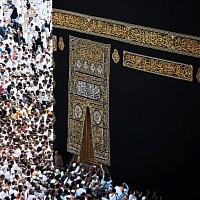
ISLAM
The illumination of Islam
Islam is a monotheistic faith, affirming the belief in a single God (Allah), and stands as one of the world’s principal religions with over 1.9 billion adherents known as Muslims.
Below is a concise and clear overview:
🌙 Fundamental Meaning
The term Islam, derived from Arabic, signifies “submission” or “surrender” — specifically, submission to the will of Allah, the One True God.
A Muslim is an individual who submits to Allah through faith, worship, and conduct in daily life.
🕋 Core Beliefs
- Belief in Allah — the One, Eternal, and Merciful God.
- Belief in Angels — created by Allah to execute His commands.
- Belief in Divine Scriptures — including the Qur’an (the final revelation), as well as the Torah, Psalms, and Gospel in their original forms.
- Belief in Prophets — from Adam, Noah, Abraham, Moses, Jesus, to Muhammad (peace be upon him), the final messenger.
- Belief in the Day of Judgment — when every soul will be held accountable for its deeds.
- Belief in Divine Decree (Qadr) — that all events occur by Allah’s knowledge and permission.
🕌 The Five Pillars of Islam
- These pillars constitute the foundation of a Muslim’s life:
- Shahada (Faith): The declaration, “There is no god but Allah, and Muhammad is His Messenger.”
- Salah (Prayer): Performing five daily prayers.
- Zakat (Charity): Allocating a portion of one’s wealth to those in need.
- Sawm (Fasting): Abstaining from food and drink from dawn to sunset during the month of Ramadan.
- Hajj (Pilgrimage): Undertaking the pilgrimage to the holy city of Mecca at least once in a lifetime, if physically and financially able.
📖 The Holy Scripture
The Qur’an is the final revelation from Allah, delivered in Arabic to the Prophet Muhammad ﷺ over 1,400 years ago.
It serves as the ultimate guide for Muslims in matters of faith, ethics, law, and everyday living.
💫 Purpose of Life
Islam teaches that humanity was created to worship Allah, lead a righteous life, and promote goodness and justice in the world.
As stated in the Qur’an (51:56):
> “And I did not create the jinn and mankind except to worship Me.”
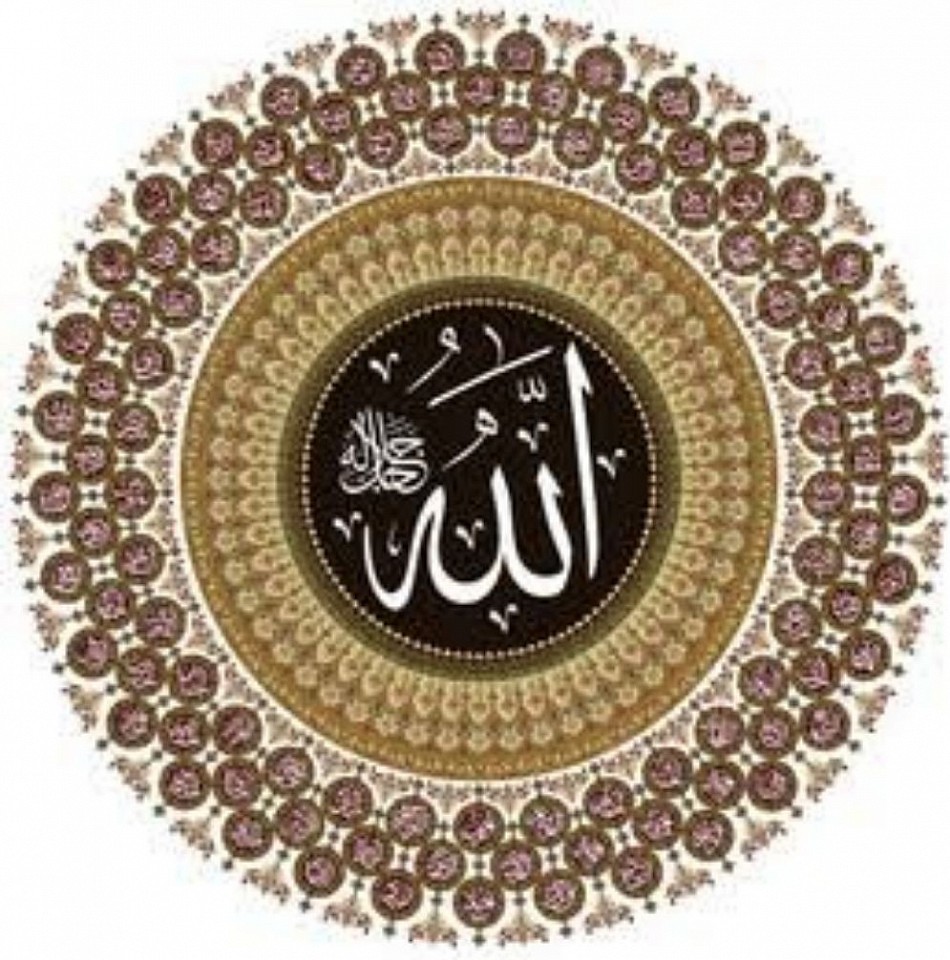
ISLAM THE LIGHT TO PEACE AND PURPOSE
. "Islam: the light to peace and purpose" captures the essence of the faith for millions of believers. Let's explore what this means.
The word "Islam" itself comes from the Arabic root "S-L-M," which means peace (salam) and submission. Therefore, a Muslim is one who submits to the will of God (Allah), and in doing so, finds ultimate peace.
Here’s how Islam serves as a guiding light toward both inner peace and a clear life purpose.
1. Islam as the Light to Peace
This peace is multi-layered, encompassing inner tranquility, harmony in society, and a fundamental peace with the universe and its Creator.
· Inner Peace (Sakina): This is a profound tranquility of the heart. It is achieved through:
· Connection with God (Salah): The five daily prayers are a direct, personal communion with the Creator. This act breaks the cycle of a hectic day, recenters the soul, and is a constant source of solace and remembrance.
· Trust in God (Tawakkul): A Muslim believes that everything happens by the will of Allah and that there is wisdom behind every trial. This trust alleviates anxiety about the future and regret over the past.
· Remembrance of God (Dhikr): Constantly remembering God through phrases of praise and gratitude keeps the heart focused on the eternal rather than the temporary worries of the world.
· Social Peace: Islam provides a framework for a just and harmonious society.
· The Greeting of Peace: The standard Islamic greeting is "As-Salaamu Alaikum" (Peace be upon you). This establishes peace as the foundation of all interactions.
· Rights and Responsibilities: Islam clearly outlines the rights of parents, children, neighbors, spouses, and the community, fostering mutual respect and care.
· Charity (Zakat): The obligatory almsgiving purifies wealth and reduces societal inequality and resentment, creating a more peaceful and cohesive community.
· Peace with Creation: Muslims see the universe as a sign of God's majesty and are taught to be stewards of the earth, living in harmony with nature and all living creatures.
2. Islam as the Light to Purpose
One of the most powerful answers Islam provides is to the fundamental question: "Why am I here?"
· The Core Purpose: Worship (Ibadah)
The Quran states: "I did not create jinn and mankind except to worship Me." (Quran 51:56)
But "worship" in Islam is not limited to rituals. It is a comprehensive concept where every sincere, lawful action performed with the intention of pleasing God becomes an act of worship.
· Seeking knowledge is worship.
· Earning a halal (lawful) livelihood for your family is worship.
· Being kind to your parents is worship.
· Even smiling at another is considered a charitable act and a form of worship.
· A Clear Moral Compass: Islam provides a clear framework of Halal (permissible) and Haram (prohibited). This guidance illuminates the path of life, helping a Muslim make decisions that are pleasing to God and beneficial for their well-being in this life and the next.
· The Concept of Stewardship (Khilafah): Humans are considered God's vicegerents on Earth. This means we have a responsibility to care for the planet, establish justice, oppose oppression, and contribute positively to society. This grants a tremendous sense of responsibility and purpose.
· The Ultimate Goal: Paradise: Life is viewed as a temporary test. The ultimate, eternal peace and success lie in the afterlife (Akhirah). This perspective helps believers endure the hardships of this world with patience and gratitude, knowing that their efforts have a profound and everlasting consequence.
Conclusion: The Integrated Life
"Islam the light to peace and purpose" beautifully illustrates that these two concepts are intertwined.
· You find peace through your purpose. Submitting to God's will and living a life of purposeful worship is what brings the deepest inner peace.
· You fulfill your purpose with peace. A heart at peace is better able to serve God, do good deeds, and contribute positively to the world.
For a Muslim, Islam is not just a religion confined to a place of worship; it is a comprehensive guide—a light—that illuminates every aspect of life, providing the roadmap to achieve peace in one's heart and society, and defining a profound, God-given purpose for existence.
THE BEAUTY SUBMISSION FOR ALLAH
True beauty lies in surrendering one’s heart and soul to Allah, embracing His guidance with humility and devotion. Islam teaches that submission is not a restriction but a path to inner peace, contentment, and purpose. By following the teachings of the Qur’an and the example of Prophet Muhammad (peace be upon him), a believer discovers harmony between faith and daily life, transforming challenges into opportunities for growth. The beauty of submission is found in trusting Allah’s wisdom, living righteously, and cultivating a heart filled with gratitude, compassion, and serenity.
- The Liberation in Surrender
The greatest beauty of submission to Allah lies in the profound liberation it brings. The human soul is naturally burdened by the weight of its own desires, the anxiety of uncertainty, and the relentless pursuit of worldly goals. We try to be the masters of our own destiny, only to find ourselves enslaved to our egos, our fears, and the fleeting standards of society.
When we submit to Allah, we lay down this unbearable burden. We acknowledge that we are not in ultimate control, but that we serve the One who is. This is not a loss of agency, but a transfer of responsibility. We do our best, we strive, we plan, but we then trust in His perfect wisdom and decree (tawakkul). This trust releases us from the shackles of anxiety about the future and regret over the past. We are freed to live in the present, as conscious, grateful servants.
- The Anchor in a Sea of Change
Life is a constant flux of joy and sorrow, gain and loss, health and sickness. Without an anchor, we are tossed about by every wave. Submission to Allah provides that unshakable anchor.
The believing Muslim knows that every circumstance, whether perceived as good or bad, is a test and a mercy from Allah. In times of ease, submission manifests as gratitude (shukr), preventing arrogance and reminding us that all blessings are a trust from God. In times of difficulty, submission manifests as patience (sabr), which is not a passive resignation but an active, persevering strength rooted in the certainty that with hardship comes ease, and that Allah’s plan is always superior to our own desires.
This perspective transforms suffering. A trial is no longer a meaningless punishment but a purification, a lesson, or a means of elevating one's status in the Hereafter. This anchor of faith provides a serenity that the world cannot give and cannot take away.
- The Intimacy of Connection
Submission is far from a distant, cold transaction. It is the pathway to an intimate and loving relationship with the Creator. The five daily prayers (Salah) are not mere rituals; they are scheduled appointments with the Divine, a chance to disconnect from the chaos of the world and reconnect with the Source of all peace.
In the depths of prostration (sujood), the servant is at the closest point to Allah. It is a physical act of utter humility and a moment of profound spiritual intimacy. Through supplication (dua), we speak to Allah directly, sharing our deepest hopes, fears, and secrets, confident that He hears and responds in the way that is best for us.
This connection infuses every moment of life with purpose and presence. The believer sees the signs of Allah (ayat) in the rising sun, the falling rain, and the kindness of a stranger. Life becomes a continuous conversation with the Beloved.
- The Framework for a Meaningful Life
Allah, in His infinite mercy, did not leave us to wander aimlessly. His submission comes with a perfect guide—the Quran—and the perfect example—the Prophet Muhammad (peace be upon him). This guidance is not a set of restrictive chains, but a protective fence and a illuminating light.
The commandments and prohibitions in Islam are not arbitrary rules designed to deprive us, but divine wisdom meant to protect our well-being—in this life and the next. They guide us toward what is pure, just, and wholesome, and steer us away from what is corrupt, oppressive, and harmful. Submitting to this guidance is like a doctor submitting to the treatment plan for their health, or a student submitting to the knowledge of their teacher. It is the smartest choice one can make.
- The Fulfillment of Our Purpose
Ultimately, the beauty of submission is that it fulfills our very reason for existence. Allah says in the Quran:
"I did not create the jinn and mankind except to worship Me." (Quran 51:56)
We are created with a God-shaped void in our hearts that nothing else—wealth, fame, relationships, or knowledge—can truly fill. Submission to Allah is the key that fits this lock. It aligns our lives with our fundamental purpose, bringing a sense of completeness and inner peace that is the birthright of every soul.
In conclusion, the beauty of submission to Allah is the beauty of coming home. It is the soul's return to its natural state of harmony with its Creator. It is the exchange of a fleeting, illusory control for a lasting, profound peace. It is the journey from being a slave of the world to becoming a servant of the Lord of the Worlds—and in that service, lies true and everlasting freedom.
DISCOVERING ISLAM A JOURNEY OF FAITH AND TRUTH
Islam is a faith that calls humanity to seek knowledge, purpose, and connection with the Creator. To discover Islam is to embark on a journey of the heart and mind, where faith meets reason, and truth illuminates the path to peace and righteousness. Through the Qur’an and the teachings of Prophet Muhammad (peace be upon him), believers learn to live with integrity, compassion, and mindfulness. This journey reveals that Islam is not only a set of rituals but a complete guide for life — offering clarity, hope, and spiritual fulfillment for those who sincerely seek it.
Let's explore what this journey entails, breaking it down into its core components.
- The "Discovering" - An Active Quest
Discovery implies an active search, moving from uncertainty or curiosity toward knowledge and conviction. It's not about passive acceptance but about:
· Asking Questions: A sincere seeker asks fundamental questions: What is the purpose of life? Is there a God? What happens after death? Is there an ultimate truth?
· Seeking Evidence: Islam encourages the use of intellect and observation. The Quran repeatedly invites people to "reflect" and "ponder" on the signs in the universe and within themselves.
· Overcoming Preconceptions: For many, this means looking beyond negative media stereotypes and cultural misrepresentations to understand the faith's core teachings.
- The "Islam" - The Destination of Peace
The word "Islam" itself comes from the root word "Salaam," which means peace. It also means "submission" – specifically, submission to the will of the One God, Allah. This submission is not one of blind obedience, but of conscious, willing alignment with divine guidance to achieve inner and outer peace.
- The core beliefs a discoverer encounters are:
1. Monotheism (Tawhid): The absolute, uncompromising Oneness of God. He has no partners, no children, and is unlike His creation. This is the central pillar of the faith.
2. Prophethood: Belief that God sent messengers to all nations throughout history, including Adam, Noah, Abraham, Moses, Jesus, and finally Muhammad (peace be upon them all), with the same essential message of monotheism.
3. Sacred Texts: The Quran is believed to be the literal, unchanged word of God, revealed to Prophet Muhammad. It serves as a primary source of guidance.
4. The Hereafter: Belief in a Day of Judgment where individuals are held accountable for their deeds, leading to an eternal destiny in Paradise or Hell.
- The "Journey of Faith" - The Inner Transformation
This is the personal, emotional, and spiritual evolution. It's rarely a single moment, but a process:
· The First Connection: Often, it starts with a feeling—a sense of peace during prayer, the beauty of a Quranic recitation, or the inspiring character of a Muslim.
· Learning and Practice: The seeker begins to learn the pillars of Islam (Declaration of Faith, Prayer, Fasting, Charity, Pilgrimage) and implements them, finding discipline and spiritual growth.
· Struggles and Doubts: The journey isn't always smooth. There are challenges, moments of doubt, and tests of faith. These struggles often strengthen conviction in the long run.
· A New Worldview: Faith reshapes one's perspective. Life is seen as a test, and every action is imbued with purpose. Gratitude, patience, and trust in God's plan become central tenets.
- The "Truth" - The Intellectual Conviction
This is the rational and evidential aspect that satisfies the mind. For many discoverers, the "truth" of Islam is affirmed through:
· The Quran's Inimitable Nature: Its linguistic excellence, scientific facts alluded to 1400 years ago, and its consistent, preserved text are seen as proof of its divine origin.The Prophethood of Muhammad: His illiteracy, impeccable character, and the immense success of his mission against all odds are considered evidence of his truthfulness.
· Logical Consistency: The Islamic concept of God is seen as profoundly logical—One, Eternal, All-Powerful, All-Merciful, without human frailties or contradictions.
· Fitrah (Primordial Disposition): The idea that the belief in One God is an innate, natural human disposition that Islam simply awakens and directs.
- What This Journey Might Look Like in Practice
1. The Seeker: Reads a translation of the Quran, visits a local mosque, or talks to knowledgeable Muslims.
2. The Student: Asks deep questions about theology, morality, and practice. They might read books, watch lectures, and compare Islam with other beliefs.
3. The Affirmation: They feel a conviction in their heart that this is the truth. This often leads to the Shahada, the declaration of faith: "I bear witness that there is no god but Allah, and I bear witness that Muhammad is His servant and messenger."
4. The Lifelong Learner: The discovery doesn't end with conversion. It's the beginning of a lifelong journey of deepening one's faith, understanding, and connection to God.
In conclusion, "Discovering Islam: A Journey of Faith and Truth" perfectly captures the dual path of the heart and the mind. It is a voyage where sincere seeking leads to intellectual conviction, which in turn fuels a transformative spiritual faith, ultimately guiding the traveler to a state of peace through submission to the Divine.
ISLAM IS A WAY OF LIFE NOT JUST A RELIGION
Islam is more than rituals or beliefs; it is a complete way of life that shapes the mind, heart, and actions. It guides individuals in personal conduct, social responsibility, and spiritual growth, emphasizing justice, compassion, and integrity. Through the teachings of the Qur’an and the example of Prophet Muhammad (peace be upon him), Islam offers practical guidance for daily life while nurturing a deep connection with Allah. It is a holistic path where faith informs every action, thought, and choice, demonstrating that true submission brings purpose, peace, and fulfillment.
Islam captures the essence of how Islam integrates faith with every aspect of human existence.
Let's break down what this means in practice.
- Why "Not Just a Religion"?
In a common modern, Western context, "religion" is often relegated to a private belief system—something practiced in a church on Sunday, separate from public life, politics, business, and social conduct. Islam fundamentally rejects this compartmentalization.
- Islam as a "Way of Life" (Deen)
The Arabic word for Islam is often translated as "Deen," which carries a much richer meaning than the English word "religion." "Deen" implies:
· A complete way of life.
· A system of governance and law.
· A path of conduct and morality.
· A final judgment and reckoning.
This comprehensive nature is evident in how Islamic guidance, derived from the Quran and the teachings of Prophet Muhammad (peace be upon him), covers every conceivable dimension of life.
How Islam Manifests as a Complete Way of Life
Aspect of Life How Islam Provides Guidance
Spiritual & Ritual The Five Pillars (Faith, Prayer, Fasting, Charity, Pilgrimage) provide a structure for worship and connecting with God.
Personal Conduct Detailed teachings on honesty, humility, patience, kindness, modesty in dress and behavior, and prohibitions against lying, backbiting, and arrogance.
Social & Family Comprehensive family law covering marriage, divorce, inheritance, and children's rights. It emphasizes honoring parents, maintaining kinship ties, and community responsibilities.
Economic & Financial A complete economic system prohibiting interest (usury), encouraging charity (Zakat and Sadaqah), and promoting fair trade and ethical business practices.
Legal & Political Principles of justice, consultation (Shura), and the rule of law. It outlines the rights of citizens, rulers, and minorities within a society.
Health & Hygiene Guidelines on dietary laws (halal), personal cleanliness (ablution), and even recommendations for physical health and medicine. The Prophet said, "Your body has a right over you."
Environmental Teachings that emphasize the responsibility of humans as stewards (khalifah) of the earth, prohibiting waste and encouraging the protection of animals and natural resources.
- The Ultimate Goal: Submission in All Affairs
The core of this "way of life" is the concept of submission to the Will of God (Allah). This isn't limited to ritual prayers; it's about aligning one's entire life—goals, desires, actions, and interactions—with divine guidance.
· Eating: A Muslim begins a meal by saying God's name and eats what is permissible (halal).
· Sleeping: There are recommended supplications before sleeping and upon waking.
· Business: A Muslim is expected to be the most trustworthy and honest in their dealings.
· Socializing: Interactions are governed by rules of modesty, respect, and kindness.
In this view, there is no such thing as a "secular" sphere. Every action, when performed with the intention of pleasing God, becomes an act of worship.
Conclusion
So, when someone says, "Islam is a way of life, not just a religion," they are asserting that:
1. It's Holistic: It does not distinguish between the "religious" and the "worldly."
2. It's Practical: It provides concrete guidance for every situation, from the most intimate to the most public.
3. It's Transformative: It aims to shape not just beliefs, but entire societies, cultures, and civilizations based on the principles of justice, mercy, and monotheism.
This comprehensive nature is what makes the "journey of faith" a complete transformation of the individual and their role in the world.
QURAN
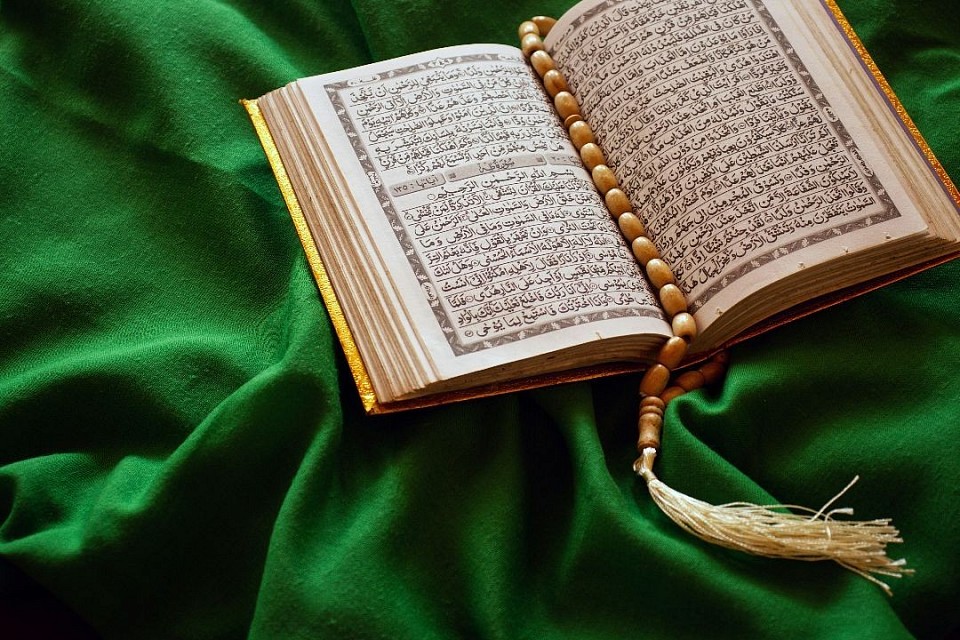
- The Qur’an: The Final Revelation from Allah
The Qur’an is the eternal and unaltered word of Allah, revealed to Prophet Muhammad (peace be upon him) as the final message to humanity. It serves as a complete guide for life, offering spiritual wisdom, moral direction, and laws that promote justice, mercy, and harmony. Unlike any other book, the Qur’an speaks to the heart and intellect alike — inviting reflection, faith, and action. It confirms the messages of earlier prophets while completing Allah’s guidance for all generations. For Muslims, the Qur’an is not merely a scripture to be read, but a living light to be followed, recited, and cherished in every aspect of life.
The Qur’an (also spelled Koran) is the holy book of Islam, revealed by Allah (God) to the Prophet Muhammad (peace be upon him) over 1,400 years ago through the Angel Jibreel (Gabriel). It is written in Arabic and is considered the final and complete revelation from Allah, following earlier scriptures such as the Torah and the Gospel.
🌙 Meaning and Importance
The word Qur’an means “recitation” — because it was first revealed to be recited and memorized. Muslims believe it is the literal word of Allah, unchanged and protected from alteration.
The Qur’an serves as:
- A guide for life — teaching faith, morality, and justice.
- A spiritual light — bringing peace to the heart and clarity to the mind.
- A source of law and wisdom — covering worship, family, society, and personal conduct.
📖 Structure
- 114 chapters (Surahs), each made up of verses (Ayahs).
- Chapters vary in length — from a few verses to several pages.
- The first chapter, Al-Fātiḥah (“The Opening”), is recited in every Muslim prayer.
💫 Key Message
The Qur’an calls all people to worship one God, live righteously, show kindness, and prepare for the Day of Judgment.
Allah says:
> “This is the Book about which there is no doubt, a guidance for those conscious of Allah.”
— (Surah Al-Baqarah 2:2)
🕋 Role in a Muslim’s Life
Muslims read, memorize, and reflect on the Qur’an daily. It is recited in prayers, studied for wisdom, and followed as the ultimate source of truth. Many Muslims memorize it entirely — such a person is called a Hafiz.
